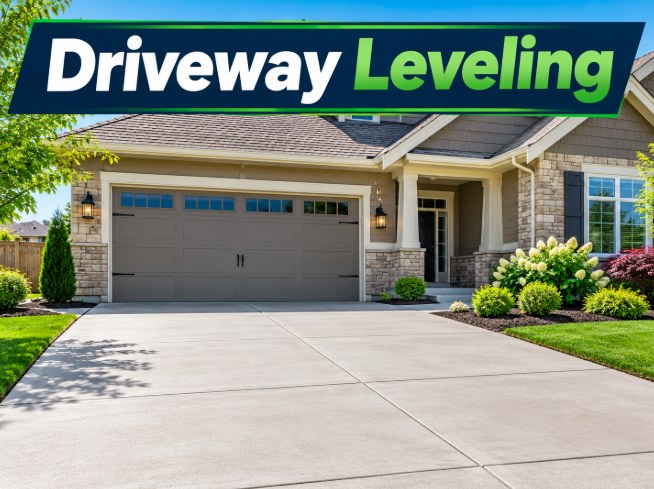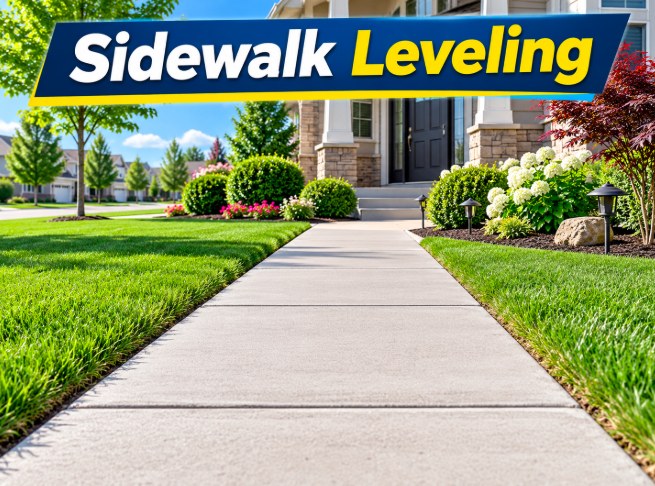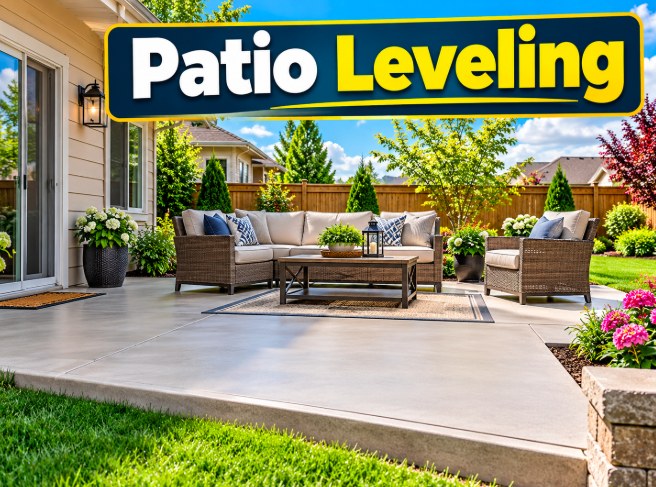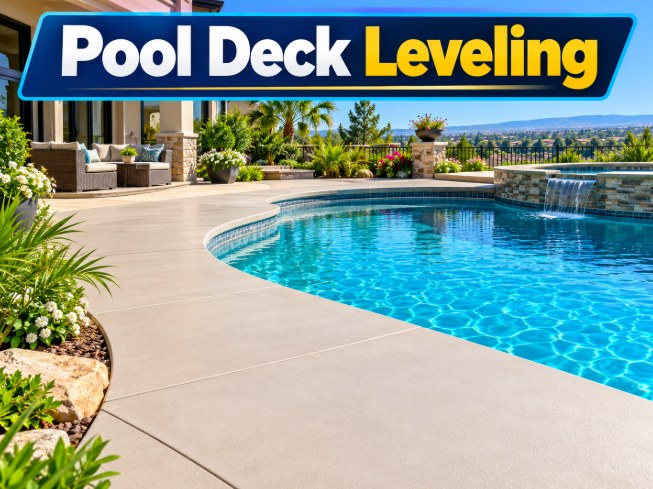
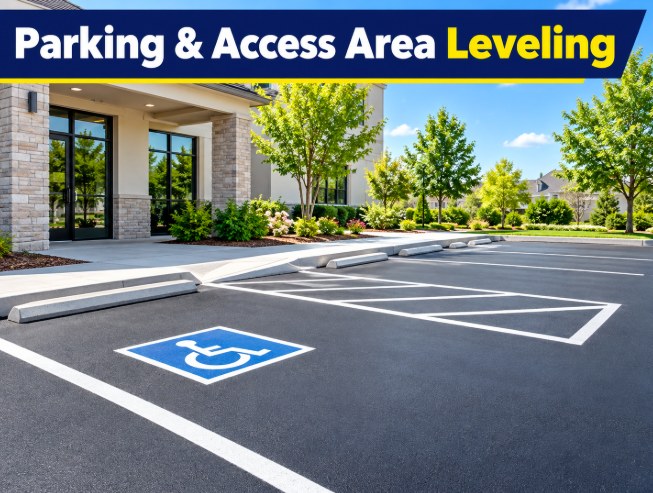
Parking and Access Area Leveling in Long Beach, CA
Concrete parking and access surfaces experience constant use.
Typical cost: From $2,500
Vehicles turn, stop, park, load, unload, and travel across the same sections every day. Pedestrians cross these areas as they move between vehicles, buildings, sidewalks, and entrances.
When concrete slabs settle, even a modest elevation difference can affect traffic flow, drainage, and property appearance.
Long Beach Concrete Leveling provides parking and access area leveling for applicable residential, multi-family, and commercial concrete surfaces throughout Long Beach.
Types of Areas We Evaluate
Parking and access concrete may include:
Because these spaces serve different purposes, the desired final elevation varies from one project to another.
Common Parking Area Problems
Settlement can create:
Larger parking areas may contain several separate settlement zones.
Heavy Vehicle Traffic
Vehicle weight can place considerable pressure on weak supporting soil.
Commercial areas may regularly receive:
If the base beneath the concrete is inadequate, repeated loading may contribute to settlement.
Concrete-to-Asphalt Transitions
Many parking properties contain both concrete and asphalt.
Settlement can create abrupt changes where the materials meet.
These transitions frequently occur at:
Leveling the concrete may improve the transition when the surrounding pavement remains at a stable elevation.
Parking Area Drainage
Large paved areas must direct significant amounts of water.
A single settled slab can interrupt the intended drainage path.
Water may then remain in:
Standing water can interfere with normal use and may contribute to continued deterioration of the supporting material.
Leveling Around Drainage Structures
Catch basins, trench drains, and other drainage components are generally fixed at specific elevations.
If surrounding concrete settles, water may stop reaching them effectively.
Correcting the slab position may restore a better path toward the drainage system.
However, each area must be evaluated carefully to avoid creating an opposite slope.
Apartment and Multi-Family Parking Areas
Multi-family properties often contain concrete surfaces used by both vehicles and pedestrians.
Problems may affect:
Leveling selected sections may help preserve otherwise usable parking concrete.
Commercial Access Areas
Commercial properties depend on reliable access.
Uneven concrete can affect:
We look at how the area is actually used when planning a leveling project.
Concrete Parking Pads at Homes
Residential properties may have additional concrete used for:
These slabs can settle independently from the main driveway.
Leveling may be considered when the concrete remains structurally usable but no longer sits at the intended elevation.
Why Preserve Existing Parking Concrete?
Replacing large concrete parking sections can involve significant demolition and disruption.
Where slabs are still serviceable, leveling may reduce the amount of concrete that needs to be removed.
Potential advantages include:
When Replacement May Be Better
Leveling cannot restore concrete that has lost too much structural integrity.
Replacement may be more appropriate when there is:
Our assessment separates settlement problems from concrete deterioration.
Parking and Access Area Leveling for Long Beach Properties
At Long Beach Concrete Leveling, we evaluate these larger areas from a practical perspective.
We look at vehicle movement, pedestrian traffic, drainage, surrounding pavement, buildings, curbs, and existing drains.
This allows us to plan leveling around the way the property actually operates.
Parking & Access Area Leveling Cost in Long Beach, CA
Parking and access area leveling is quoted per project because these surfaces vary widely in size and use. Most commercial and multi-family jobs start around $2,500, and we can phase larger projects to keep your property open.
| Project | Typical scope | Estimated price |
|---|---|---|
| Residential parking pad | RV, boat or side-yard parking slabs | $1,000 – $3,000 |
| Multi-family or small commercial | Tenant parking, drive aisles or entrances | $2,500 – $8,000 |
| Large lots and loading areas | Multiple settlement zones, aprons and loading approaches | Custom quote |
What affects the price
- Total area and number of settlement zones
- Vehicle loads and traffic patterns
- Drains, catch basins and asphalt transitions
- After-hours or phased scheduling
- Pedestrian routes that must stay open
Prices are estimates, not a binding quote. Your exact price is confirmed in writing after a free on-site inspection.
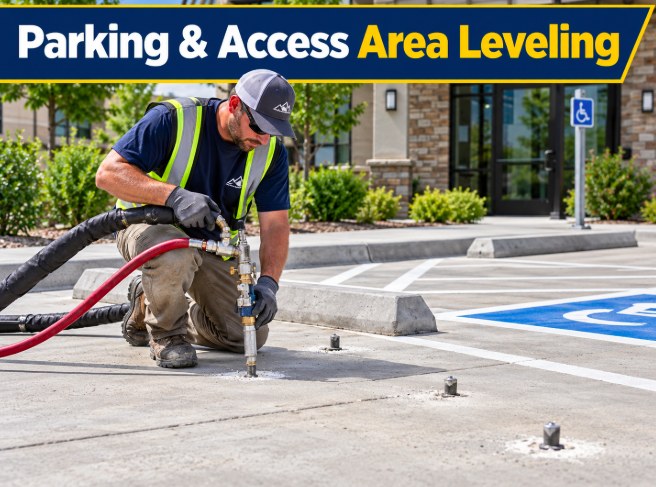
Our Parking & Access Area Leveling Process
Every parking & access area leveling project follows the same careful steps, from the first inspection to the final cleanup.
- 1
Site walk with the property contact
We review traffic flow, loading areas, drains and the routes pedestrians use every day.
- 2
Phased work plan
Settlement zones are prioritized and scheduled to keep entrances, stalls and lanes open.
- 3
Lift settled slabs
Concrete is raised in controlled stages to match curbs, asphalt and drainage structures.
- 4
Verify drainage paths
We confirm water reaches catch basins and trench drains without creating a reverse slope.
- 5
Patch and reopen lanes
Ports are patched and areas are typically reopened to traffic the same day.
Parking & Access Area Leveling FAQs
Quick answers to the questions property managers and homeowners ask us most.
Still have questions?(323) 963-7662- Q1
Can you work around our business hours?
Yes. We can schedule early mornings, evenings or weekends, and larger lots can be completed in phases. The goal is to keep customer entrances, tenant parking and delivery routes as open as possible while the work is done.
- Q2
How soon can vehicles drive on leveled concrete?
In most cases, leveled sections can return to normal vehicle traffic the same day once the ports are patched. For areas with heavy trucks, we will let you know if any extra cure time is recommended.
- Q3
Can you fix the bump where concrete meets asphalt?
Often, yes. When a concrete apron or slab settles below adjoining asphalt, leveling the concrete can smooth the transition. If the asphalt itself has failed, that portion may need separate paving repair.
- Q4
Do you work with property managers and HOAs?
Yes. We regularly coordinate with property managers, HOA boards and business owners. We can provide written estimates, scheduling plans and documentation for your records or board approvals.
- Q5
Can leveling help with water ponding in our lot?
When standing water is caused by a settled slab, raising it can restore flow toward drains. Each area is checked carefully so correcting one low spot does not send water somewhere it should not go.
Get a Free Parking & Access Area Leveling Estimate
Tell us about your parking & access and we will schedule a free on-site inspection anywhere in Long Beach and nearby cities.
(323) 963-7662